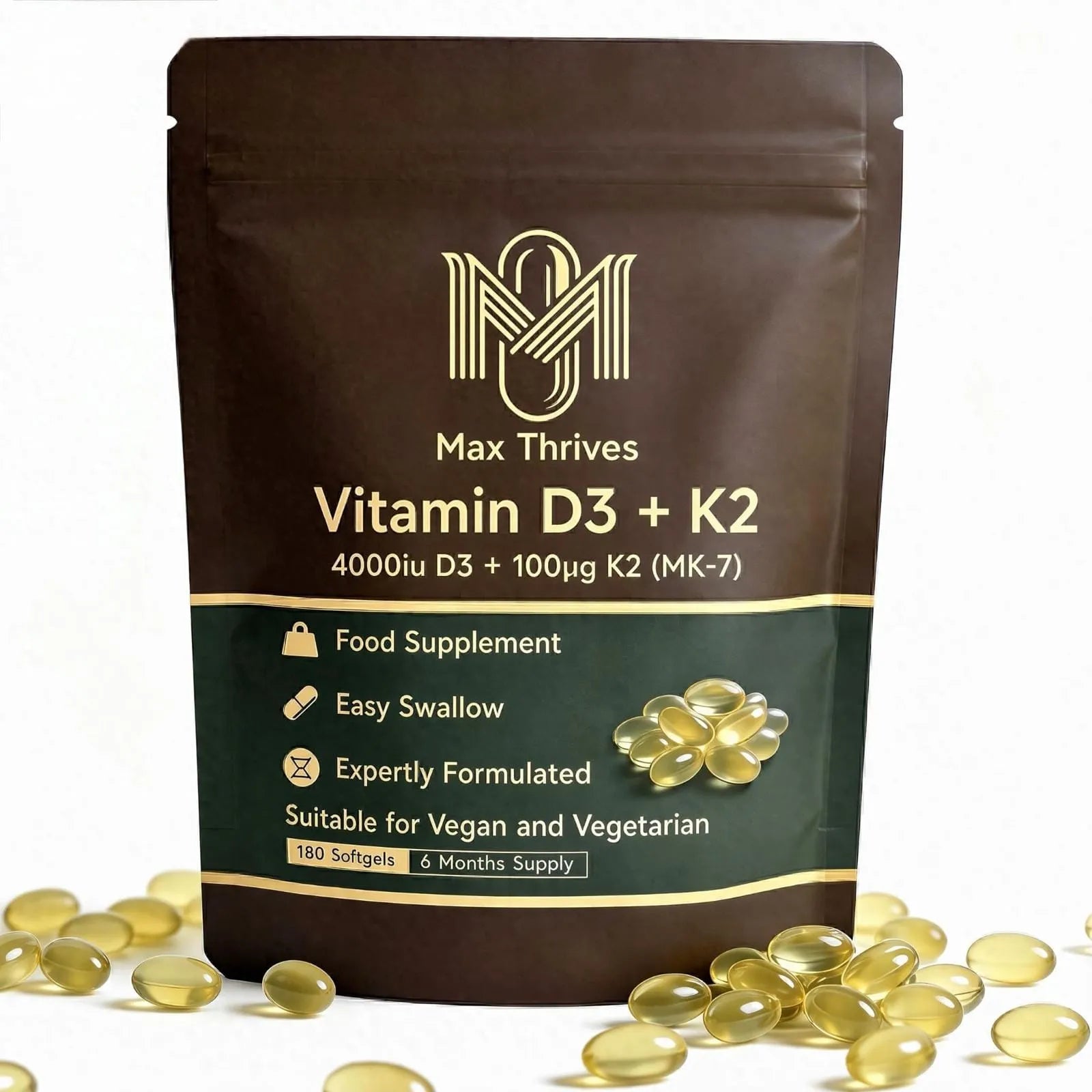




Magnesium is an essential mineral that contributes to normal muscle function, normal functioning of the nervous system and normal energy-yielding metabolism. Magnesium glycinate is a form of magnesium in which magnesium is bound to glycine. If you are researching what magnesium glycinate is good for, this guide explains what is known, how to read a supplement label and what to consider before choosing a product.
What is magnesium glycinate?
Magnesium glycinate (also called magnesium bisglycinate) combines magnesium with the amino acid glycine. People often compare different forms of magnesium when choosing a supplement, but the best option depends on the amount of elemental magnesium, the product's ingredients, your diet and individual needs.
What can magnesium glycinate help you understand?
Magnesium is an essential nutrient with recognised roles in normal muscle function, the normal functioning of the nervous system, normal energy-yielding metabolism and the reduction of tiredness and fatigue. These nutrient-function claims do not mean a supplement will necessarily improve symptoms if your dietary intake is already adequate. For a fuller explanation of magnesium's roles and how to compare products, read our magnesium glycinate benefits and supplement-choice guide.
Is magnesium glycinate good for sleep?
Magnesium is often discussed in relation to evening routines, but evidence that magnesium glycinate reliably improves sleep in everyone is limited. Avoid choosing a supplement based only on promises of better sleep. If you have persistent sleep difficulties, speak with a qualified healthcare professional.
When should you take magnesium glycinate?
There is no universally proven best time to take magnesium glycinate. Follow the directions on the specific product label. Some people prefer taking supplements with a meal if that suits the instructions and their digestion. Consistency and the total amount of elemental magnesium matter more than choosing a particular time of day.
If you take medicines or have a medical condition, ask a pharmacist or healthcare professional whether a magnesium supplement is suitable. Magnesium can affect the absorption of some medicines, including certain antibiotics and bisphosphonates, so timing may need to be separated.
How to choose a magnesium glycinate supplement
When comparing products, check these details rather than relying on the front-of-pack number alone:
- Elemental magnesium: look for the amount of magnesium provided per serving, not just the weight of the magnesium glycinate compound.
- Serving size: check how many capsules make up one serving and follow the label directions.
- Full ingredient list: check for additional vitamins, minerals, botanicals, allergens and capsule materials.
- Quality information: look for clear manufacturer details, batch traceability and appropriate quality testing.
- Claims: be cautious of products promising to cure insomnia, anxiety, cramps or other conditions.
Magnesium glycinate vs magnesium oxide
Different magnesium forms contain different proportions of elemental magnesium and may differ in how they are absorbed and tolerated. Avoid assuming one form is automatically best for everyone. Read our related guide to magnesium glycinate vs magnesium oxide for more context.
Can you get magnesium from food?
Yes. Foods such as nuts, seeds, pulses, wholegrains and green leafy vegetables can contribute magnesium to your diet. A varied, balanced diet is a useful starting point, and supplements are not a replacement for it.
Is magnesium glycinate suitable for everyone?
Not necessarily. People with kidney problems should seek medical advice before using magnesium supplements, because impaired kidney function can increase the risk of magnesium building up in the body. Ask a pharmacist or clinician before use if you are pregnant, breastfeeding, taking medicines or considering a supplement for a health concern. Do not exceed the label's recommended intake.
Explore the Max Thrives Magnesium 5-in-1 Complex
If you are comparing multi-ingredient supplements, review the full formula and serving directions before deciding whether it suits your needs. You can view the Max Thrives Magnesium 5-in-1 Complex and check its ingredients and label information.
For a broader introduction, read our guide to magnesium glycinate benefits.
Key takeaways
Magnesium glycinate is one form of magnesium supplement. To choose carefully, focus on elemental magnesium, label directions, ingredient transparency and your individual circumstances. Magnesium contributes to normal muscle and nervous system function, but supplements are not a guaranteed fix for sleep problems or other symptoms.
This article is for general information only and is not a substitute for personalised medical advice.